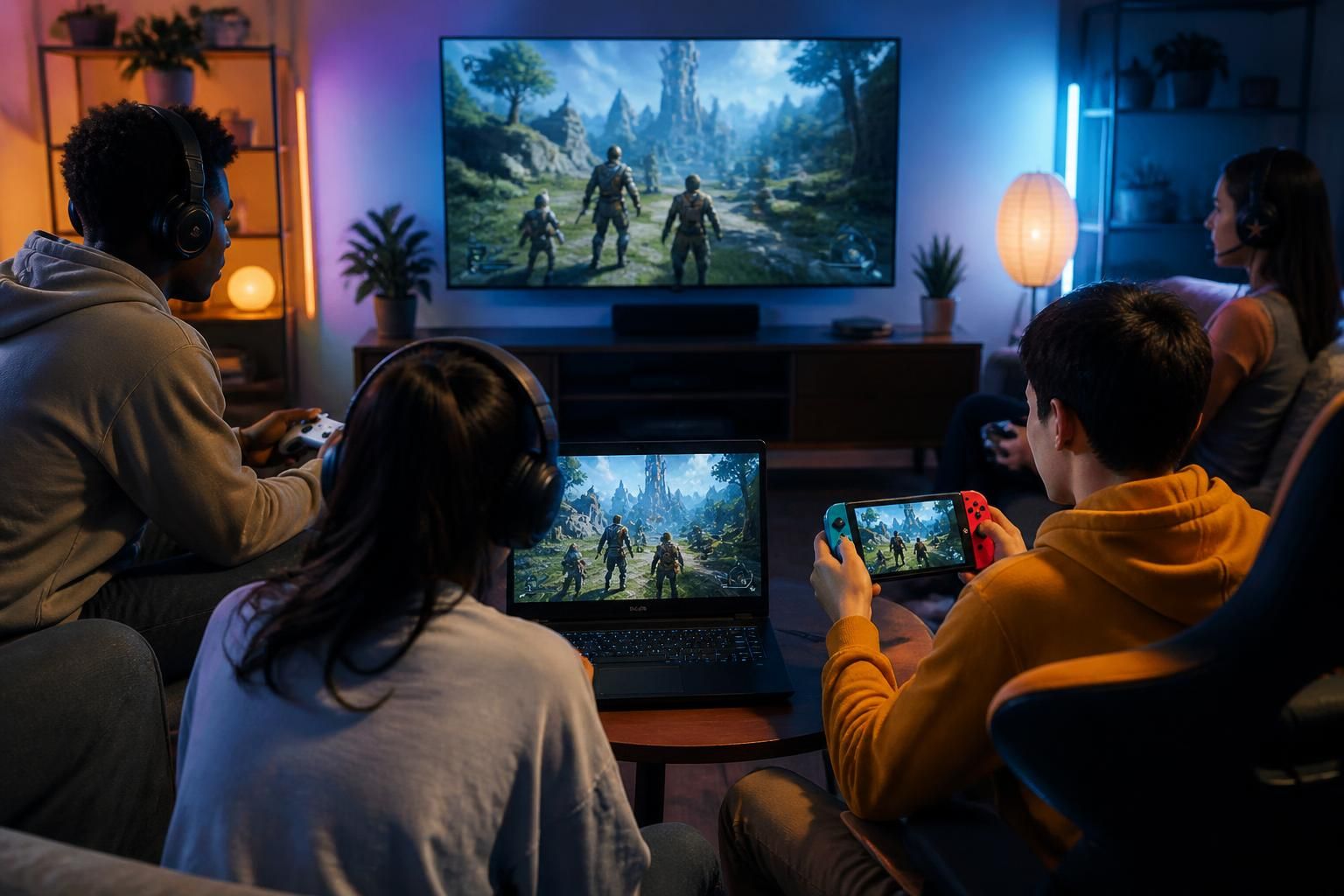
Game art and visual styles play a crucial role in shaping player experiences and defining the overall atmosphere of a game. From the vibrant colors of a platformer to the moody aesthetics of a survival horror title, these visual elements influence how players engage with the game world and can evoke a wide range of emotions. In this exploration, we will delve into how different artistic expressions and styles not only enhance the visual appeal but also affect gameplay, immersion, and storytelling in video games.
Understanding Different Art Styles in Gaming
Game art can be categorized into several distinct styles, each with its own impact on gameplay and player perception. Traditional realism aims to create lifelike representations, often seen in AAA titles like The Last of Us Part II, where meticulous detail in character design and environment contributes to a profound emotional connection. Realistic visuals can enhance immersion, making players feel as though they are part of the game world.
On the other hand, stylized art forms such as cel-shading or pixel art create unique visual identities. Games like Borderlands use a comic-book aesthetic to provide a sense of humor and irreverence, while pixel art games like Stardew Valley evoke nostalgia, appealing to players’ fond memories of classic gaming. These styles can create a distinct tone and atmosphere that complements the game’s mechanics and narrative.
The Role of Color and Lighting in Player Experience
The use of color and lighting is fundamental in game art and visual styles, as they not only enhance aesthetics but also influence gameplay. Color theory can dictate a player’s emotional response; warm colors often evoke feelings of excitement or comfort, while cooler hues can create tension or unease. For instance, the stark contrasts and deep shadows in a game like Inside instill a sense of dread and mystery, guiding players’ emotional journeys as they navigate through eerie environments.
Lighting also serves a practical purpose, directing players’ attention to important elements within the game. Subtle changes in light can indicate places of interest or reveal hidden areas, as seen in many adventure games. Moreover, dynamic lighting effects can create immersive atmospheres that adjust to player actions, enhancing the gaming experience.
How Visual Styles Enhance Storytelling
Game art and visual styles significantly contribute to storytelling, setting the tone and enriching narratives. Art direction can signal genre conventions; for example, a bright, cartoonish style may suggest a light-hearted adventure, while darker, muted tones can indicate themes of conflict and survival. This visual storytelling is evident in narrative-driven games like Celeste, where the art style supports the protagonist’s emotional struggles and triumphs throughout their journey.
Moreover, symbolic imagery embedded within the art can convey deeper meanings. In Gris, the transitions through various color palettes correspond to the stages of grief, allowing players to experience the protagonist’s emotional evolution. Such integration of visuals and narrative deepens engagement, encouraging players to explore the story beyond mere gameplay mechanics. For more on this topic, see luxury333.
The Impact of Art Styles on Gameplay Mechanics
Game art and visual styles also influence gameplay mechanics, as the aesthetics of a game can dictate how players interact with and perceive their environment. For example, minimalist designs like those found in Journey reduce visual clutter, allowing players to focus on exploration and discovery. The simplicity invites players to interpret the game world in personal ways, fostering a sense of connection and introspection.
Conversely, more complex art styles can provide visual cues essential for gameplay. In a platformer like Super Meat Boy, the exaggerated, chaotic visuals correlate with fast-paced, challenging mechanics, creating an exhilarating experience that matches the frantic pace of gameplay. By aligning art style with gameplay mechanics, designers can enhance the overall enjoyment of the game and ensure a cohesive experience.
Trends and Innovations in Game Art
The ongoing evolution of technology continues to shape game art and visual styles, leading to innovative trends that redefine player experiences. With the rise of virtual reality (VR) and augmented reality (AR), developers are exploring new ways to create immersive environments. The potential for 360-degree visuals and interactive art opens up exciting possibilities for storytelling and player engagement.
Furthermore, advancements in rendering techniques and game engines enable artists to push the boundaries of realism and stylization. This is evident in games like Cyberpunk 2077, which combines a richly detailed environment with unique visual flair, creating a living, breathing world. As technology advances, players can expect even more sophisticated and varied art styles that enhance their experiences.
Conclusion: The Lasting Influence of Game Art and Visual Styles
Game art and visual styles are foundational elements that shape player experiences in profound ways. From influencing emotions and gameplay mechanics to reinforcing narrative and creating atmosphere, the artistic choices made in game design are crucial for player engagement. As the industry evolves, the relationship between visual innovation and player experience will continue to grow, pushing the boundaries of how art can transform interactive entertainment. Ultimately, understanding the impact of these visual styles enriches appreciation for the artistry involved in game development and its role in crafting memorable experiences.