Understanding the Cognitive Benefits of Puzzle Games
Puzzle games are designed to stimulate various cognitive functions, which are essential for everyday decision-making and learning. One notable benefit of these games is their ability to enhance memory. Studies have shown that players who regularly engage in puzzle games exhibit improved short-term and working memory. This improvement can be attributed to the games’ demands for players to remember patterns, sequences, and rules while simultaneously strategizing their moves.
Furthermore, the act of solving puzzles can boost mental flexibility. Players are often required to think on their feet, adapting their strategies as new challenges arise. This mental workout encourages the development of new neural connections, fostering adaptability and innovative thinking. Over time, this can translate into greater cognitive resilience, allowing individuals to tackle real-world problems with increased confidence and creativity.
Enhancing Problem-Solving Skills Through Gameplay
One of the defining characteristics of puzzle games is their focus on problem-solving. Players frequently face obstacles that require critical thinking and strategic planning to overcome. Engaging in activities that demand these skills can lead to significant cognitive growth. Research has found that individuals who play puzzle games regularly tend to develop a more systematic approach to problem-solving, making them better equipped to handle complex situations in their daily lives.
Additionally, the level of satisfaction derived from solving a challenging puzzle can reinforce a sense of accomplishment. This positive reinforcement not only enhances motivation but also encourages players to approach difficulties with a more resilient mindset. For instance, a study conducted by a research team at the University of Exeter revealed that puzzle game players often report higher levels of persistence when faced with challenges, a trait that is beneficial both academically and professionally.
Social Interaction and Puzzle Gaming
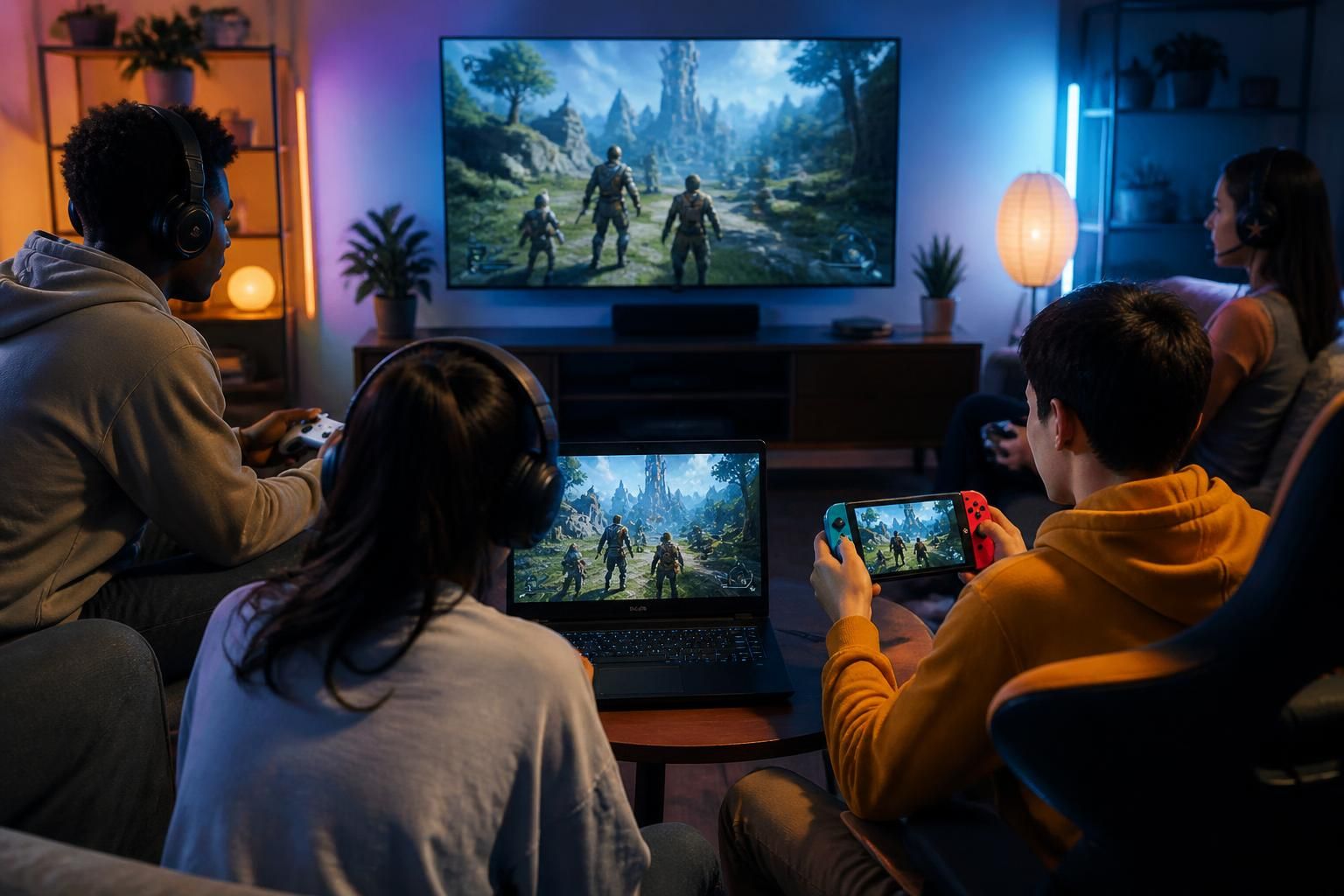
In today’s digital landscape, many puzzle games incorporate social elements, allowing players to engage with friends and family. This interaction can further enhance cognitive skills. Collaborative puzzle-solving fosters communication, teamwork, and social bonding, all of which contribute to cognitive development. When players work together to solve puzzles, they practice verbalizing their thoughts, negotiating strategies, and sharing diverse perspectives.
Moreover, social gameplay can provide additional motivation. Players may be more likely to engage in complex puzzles when they have a peer to support them, which can lead to deeper learning experiences. Games that encourage competition, for example, can stimulate cognitive functions by pushing players to think more critically and improve their skills in order to outperform their friends.
Neuroplasticity: How Puzzle Games Alter Brain Structure
The brain’s ability to adapt and reorganize itself, known as neuroplasticity, plays a crucial role in how puzzle games can influence cognitive skills. When individuals engage in challenging mental tasks, such as those found in puzzle games, their brains create new neural pathways. This structural change can lead to improved cognitive functions, including enhanced memory, better attention span, and increased speed of information processing.
Research supports the notion that regular engagement with puzzle games can contribute to lifelong cognitive health. For instance, a longitudinal study published in the journal Neuropsychology found that older adults who played strategy-based puzzle games exhibited a slower decline in cognitive abilities compared to those who did not. This suggests that the benefits of puzzle games may extend well into later stages of life, providing an effective means of maintaining cognitive function.
Choosing the Right Puzzle Games for Cognitive Development
Not all puzzle games are created equal, and their cognitive benefits can vary significantly. When selecting games for mental enhancement, it’s essential to consider their complexity and the specific skills they target. Games that focus on logic, such as Sudoku or escape room challenges, can enhance critical thinking and problem-solving skills. Conversely, games that require spatial reasoning, such as Tetris, can improve visual-spatial awareness and memory.
It’s also important to approach puzzle games with a mindset of growth. Challenge yourself by gradually increasing the difficulty level of the games you play; this can prevent stagnation and continue to push cognitive boundaries. Additionally, integrating games that offer cooperative or competitive elements can stimulate social interaction, further enriching the cognitive experience.
In conclusion, the relationship between puzzle games and the brain is multifaceted, encompassing a range of cognitive skills that can be developed and refined through gameplay. From enhancing memory and problem-solving abilities to fostering social connections, these games offer much more than simple entertainment. As research continues to unveil the cognitive benefits associated with puzzle gaming, embracing these mentally stimulating activities can serve as both a fun pastime and an effective tool for cognitive enhancement. For those looking to explore the world of online puzzle games, there are plenty of options available, including popular titles that allow for collaboration and competition. Engaging with puzzle games not only stimulates the mind but may also contribute to overall brain health, making them a valuable addition to one’s daily routine. For instance, trying out new challenges on platforms that provide various gaming experiences, such as luxury12, can further enhance the benefits of puzzle gaming through variety and innovation.