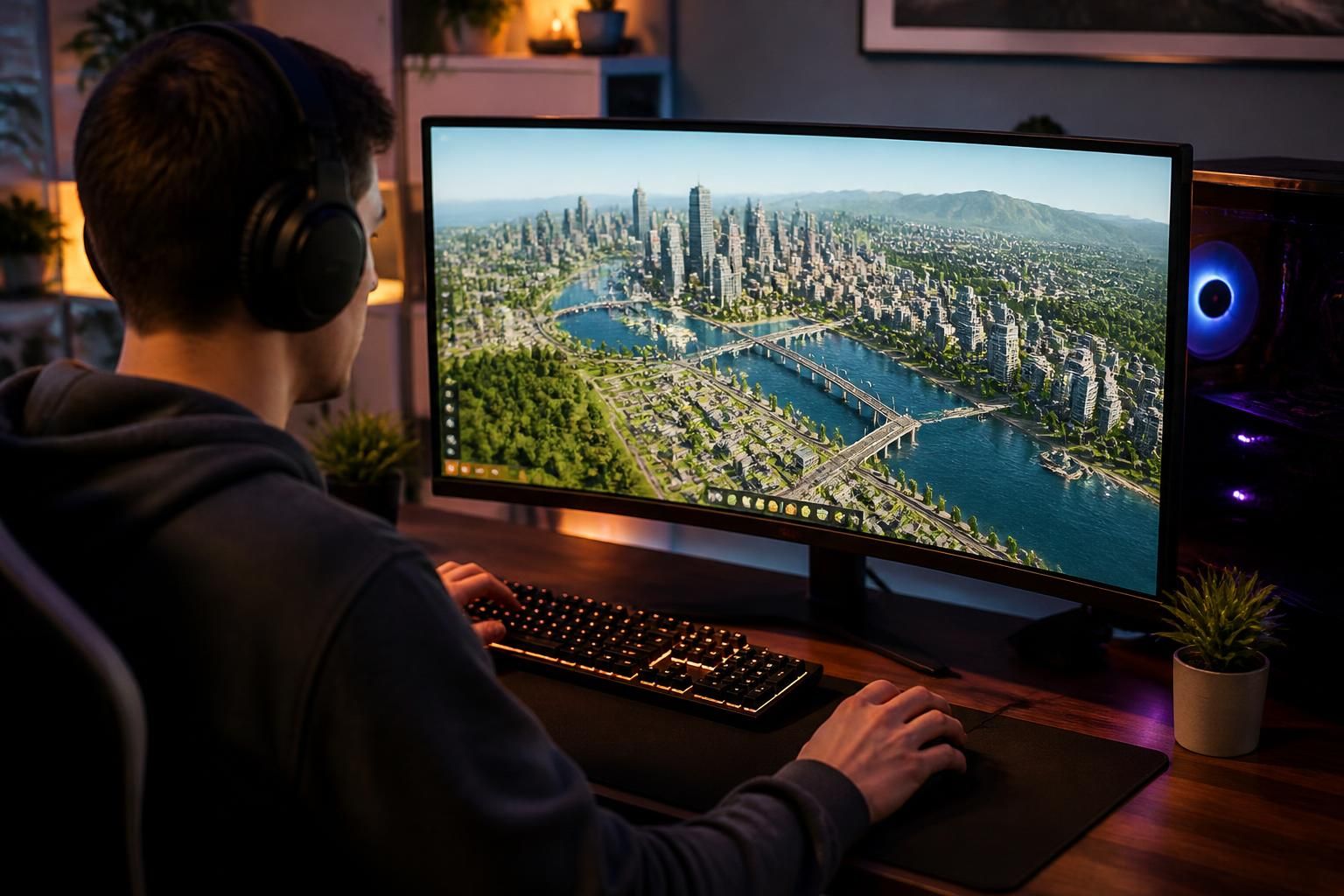
Simulation and city-building games have captivated millions of players worldwide, blending creativity, strategy, and management in dynamic virtual environments. These games allow players to construct intricate cities, manage resources, and simulate life, offering a unique outlet for those who enjoy both artistic expression and analytical thinking. As technology continues to evolve, the appeal of these genres only grows, attracting a diverse audience that spans various demographics and gaming platforms.
Understanding the Appeal of Simulation and City-Building Games
The allure of simulation and city-building games lies in their ability to offer players a sense of control and agency. Unlike traditional action or narrative-driven games, these titles encourage creativity and critical thinking. Players can construct and customize every aspect of their virtual cities, from zoning and infrastructure to aesthetics and public services. This level of engagement allows for deep investment in the game’s world, fostering a personal connection that is often absent in more linear gaming experiences.
Moreover, the simulation aspect of these games often mirrors real-world challenges. Players must consider factors such as budget constraints, resource management, and social dynamics. This realism not only makes the gameplay more engaging but also provides educational value, enhancing players’ understanding of urban planning and management principles.
Popular Titles in the Simulation and City-Building Genre
Several titles stand out in the simulation and city-building landscape, each offering a unique twist on the genre. Classic games like SimCity and Cities: Skylines have defined the city-building experience, allowing players to create sprawling metropolises while grappling with the complexities of urban management. SimCity, launched in the early 90s, set the standard with its groundbreaking mechanics, while Cities: Skylines has been praised for its depth and customization options, making it a favorite among both casual and hardcore gamers.
On mobile devices, titles such as Animal Crossing: Pocket Camp and Fallout Shelter have gained immense popularity by blending city-building elements with social simulation. These games appeal to players who prefer shorter, more accessible gameplay sessions while still providing the satisfaction of constructing and managing their own virtual worlds. The rise of mobile gaming has further democratized access to simulation and city-building experiences, drawing in new players who may not have engaged with the genre on traditional platforms.
The Role of Community and Collaboration in Simulations
Community plays a pivotal role in the success of simulation and city-building games. Many of these titles foster collaborative play through online platforms, where players can share their creations, compete in challenges, and provide feedback. For instance, games like Planet Coaster and Cities: Skylines feature extensive modding communities that enhance the gameplay experience by introducing new content, custom buildings, and gameplay mechanics. This active involvement not only enriches the game but also strengthens the community, turning players into creators.
Furthermore, online multiplayer functionality has expanded the possibilities for social interaction within these games. Players can visit each other’s cities, trade resources, or even collaborate on joint projects. This social dimension adds a layer of engagement, allowing players to form connections and friendships while enjoying the creative aspects of city-building and simulation. For more on this topic, see สล็อต.
How Real-World Urban Planning Influences Game Design
As simulation and city-building games strive for realism, many developers take cues from real-world urban planning and environmental science. The integration of realistic city planning challenges—such as traffic management, zoning laws, and ecological sustainability—can enhance the learning experience for players while also making the game more immersive. Developers often consult with urban planners and architects to accurately represent these dynamics, aiming to create a balanced gameplay experience that reflects the complexities of real-life city management.
Additionally, these games are increasingly addressing contemporary issues such as climate change and urbanization. For example, in Cities: Skylines, players must deal with pollution and resource management, prompting them to consider sustainable practices within their virtual cities. As players navigate these challenges, they gain insight into global issues, blurring the lines between gaming and real-life education.
Future Trends in Simulation and City-Building Games
The future of simulation and city-building games looks promising, with several notable trends emerging. The integration of virtual and augmented reality is poised to revolutionize how players interact with their virtual cities. Imagine walking through a bustling metropolis you’ve designed, experiencing the scale and intricacies of your creation in a more immersive way. This technology could provide a new level of engagement, attracting even more players to the genre.
Moreover, the trend toward inclusivity and diversity in gaming is also present in simulation and city-building titles. Developers are increasingly working to represent a wider range of cultures, architectural styles, and social dynamics. This not only enriches the gameplay experience but also helps players from different backgrounds feel represented in the virtual spaces they create and inhabit.
As the landscape of online gaming continues to evolve, the enduring appeal of simulation and city-building games demonstrates their capacity to engage, educate, and inspire. These games have transcended mere entertainment, becoming platforms for creativity and reflection on pressing real-world issues.
In conclusion, simulation and city-building games attract millions of players worldwide by offering rich, interactive experiences that blend creativity, strategy, and real-world challenges. As this genre continues to develop, it holds the potential to captivate even more audiences, inviting players to construct their own narratives while exploring the complexities of urban life and management.